

Planning and Primetime: How Classic TV Can Help Address the Housing Crisis
by abbie emison, aicp, nci

Image credit: christopher stark/bob d’amico/getty images
For decades, American television quietly modeled something planners and urban designers now struggle to deliver: complete, affordable, and flexible neighborhoods.Long before terms like Missing Middle, gentle density, or housing choice, were commonplace, sitcoms showed characters living with roommates, renting garage apartments, sharing homes across generations, and working from home. These arrangements weren’t treated as radical or controversial—they were simply how people lived their lives.While American families tuned in from the comfort of their couches, zoning codes across much of the country were quietly making these versions of family life impossible.I live in Central Ohio, and like many places across the county, it’s a region facing a severe housing shortage. According to the Affordable Housing Alliance of Central Ohio, our region needs more than 20,000 new homes per year to meet demand, but we are consistently failing to meet this number. More than half of residents report being personally affected by housing costs, and nearly three-quarters are dissatisfied with the current market. Meanwhile, zoning codes seek to protect the development of large lot single-family homes in isolated suburbs, while restricting rental properties, accessory dwelling units, and local access to child care, healthcare, and food. The market has failed, and regulations have not provided an adequate answer.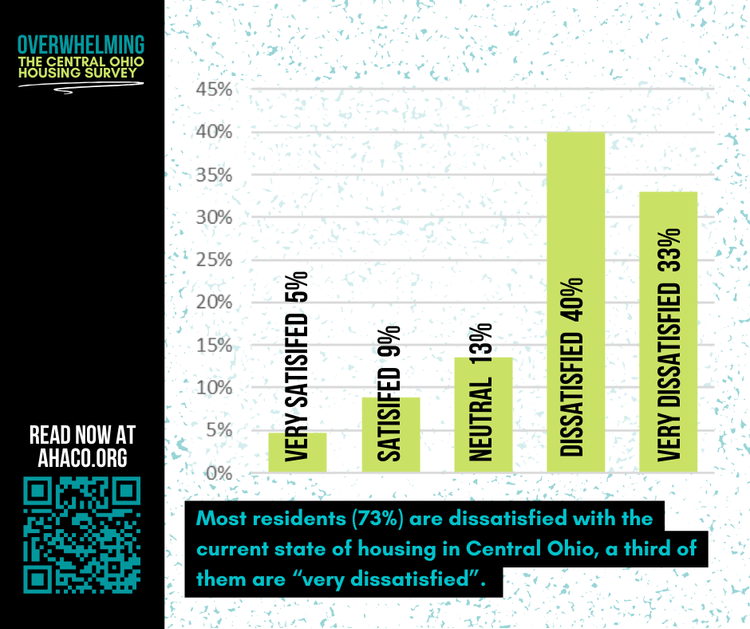
image credit: affordable housing alliance of central ohio
Ironically, many of the solutions are hiding in plain sight—in reruns.Five Sitcoms, Five Housing Lessons
Sitcoms have long captured how Americans understand normal family life: shared households, small homes, mixed uses, incremental density, and neighborhoods built around proximity and relationships rather than rigid separation. Television reflected lived experience before we started using zoning codes to narrow it. This is a powerful reminder that many New Urbanist principles aren’t theoretical or aspirational, they are deeply familiar and culturally embedded. When zoning makes these everyday arrangements illegal, it isn’t protecting communities, it’s severing them from patterns of living people instinctively recognize as functional and humane. Married with Children: Legalize Starter Homes
In Married with Children, Al Bundy supported a family in a modest suburban home on a working-class income. The joke was his job—not the house.Today, homes like the Bundys’ are often illegal to build. Minimum lot sizes, large setbacks, and rigid dimensional standards have quietly erased starter homes from many communities. This directly contradicts New Urbanists’ long-standing call for compact, attainable housing that allows people to enter the housing market and age in place.Starter homes are the foundation of a functional housing ladder. If communities want inclusive neighborhoods, these homes must be permitted.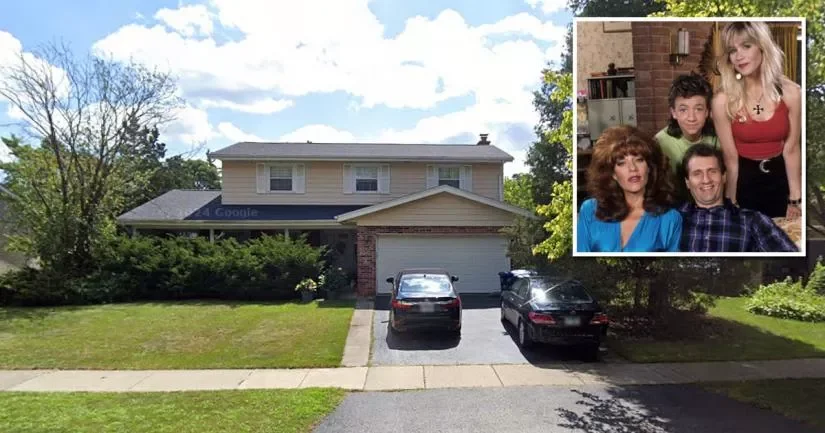
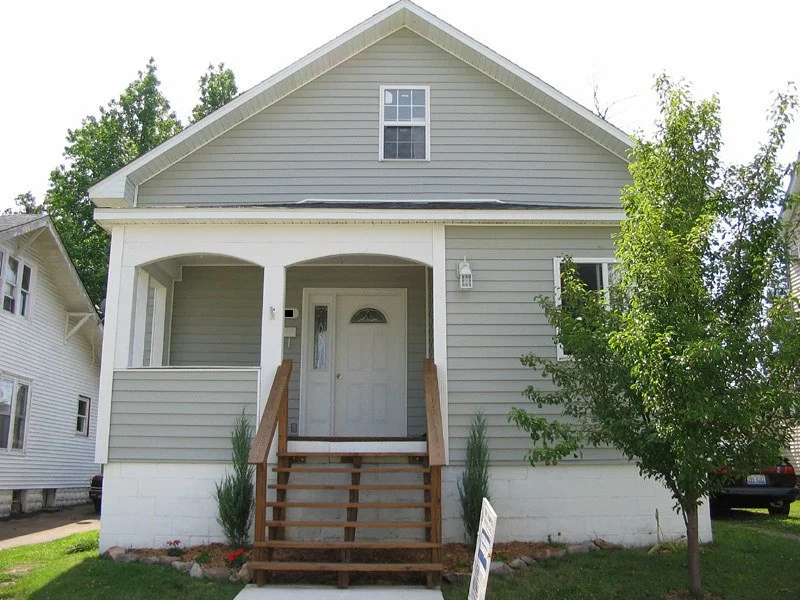
image credits: https://oddstops.com/; flickr/spring1976
The Golden Girls: Define Family Broadly
Four older women sharing a home, supporting one another, and building community around a kitchen table gave us The Golden Girls. To date, it stands as a perfect example of a functional household. Yet many zoning codes still restrict the number of unrelated people who can live together, effectively banning roommate living, shared senior housing, and intergenerational arrangements. These rules undermine New Urbanist principles related to social equity, aging in place, and housing flexibility, and can exacerbate the loneliness epidemic for young people and seniors alike.Zoning codes must be updated to define families in a more inclusive, community-centered way.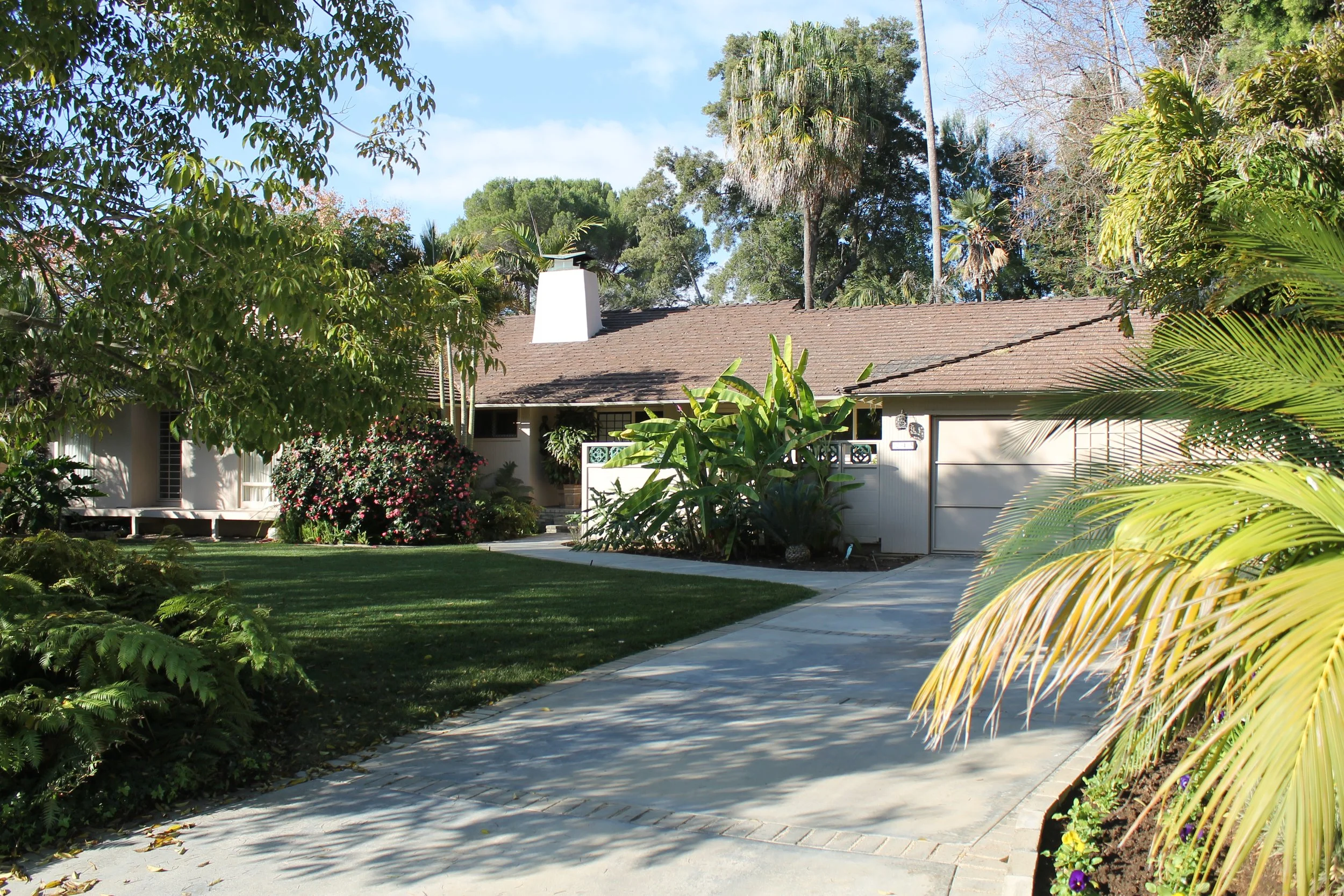
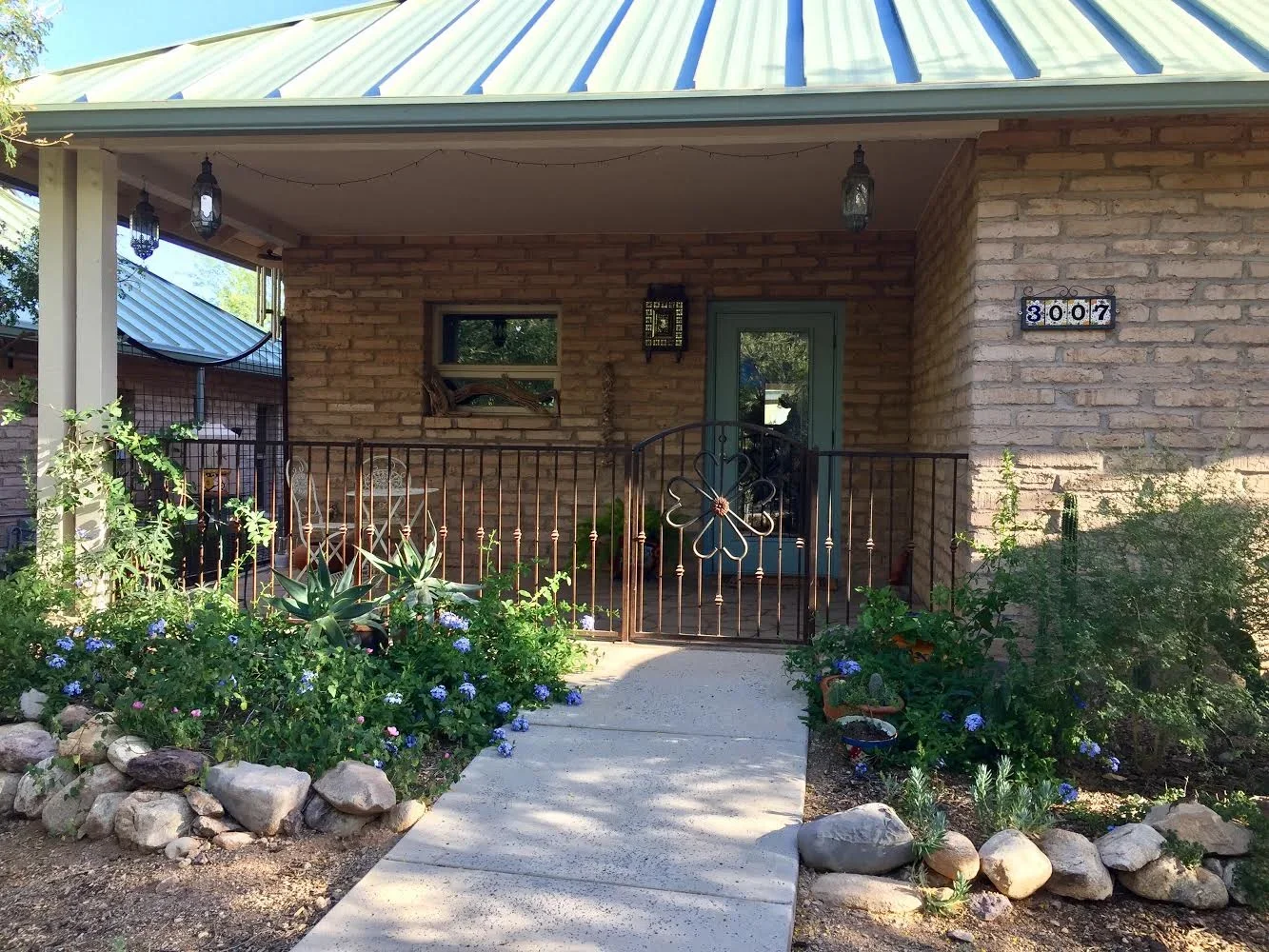
image credits: flickr/castles, capes & clones; milagro cohousing
Happy Days: Allow Accessory Dwelling Units
Fonzie became a member of the family in Happy Days by living above the Cunninghams’ garage, a common situation long before planners had a name for it. ADUs represent one of the most powerful tools for incremental density, a concept central to New Urbanism.These types of units quietly add housing within the existing character of a neighborhood, support multigenerational living, provide income for homeowners, and strengthen walkability by placing more residents near services. For decades, zoning codes treated these small units as threats rather than assets.If ADUs were normal in 1950s sitcoms, they shouldn’t be controversial in 2026.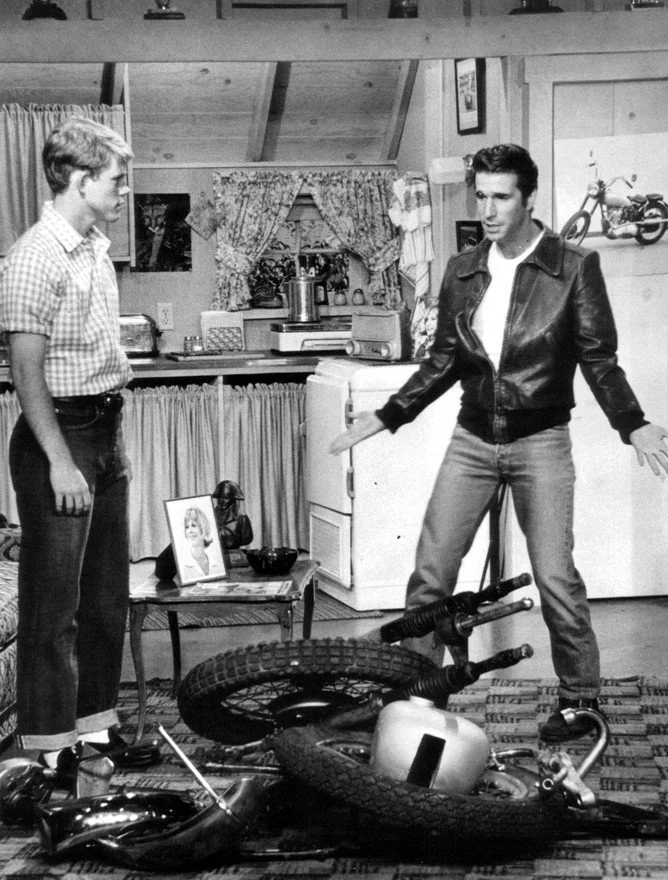
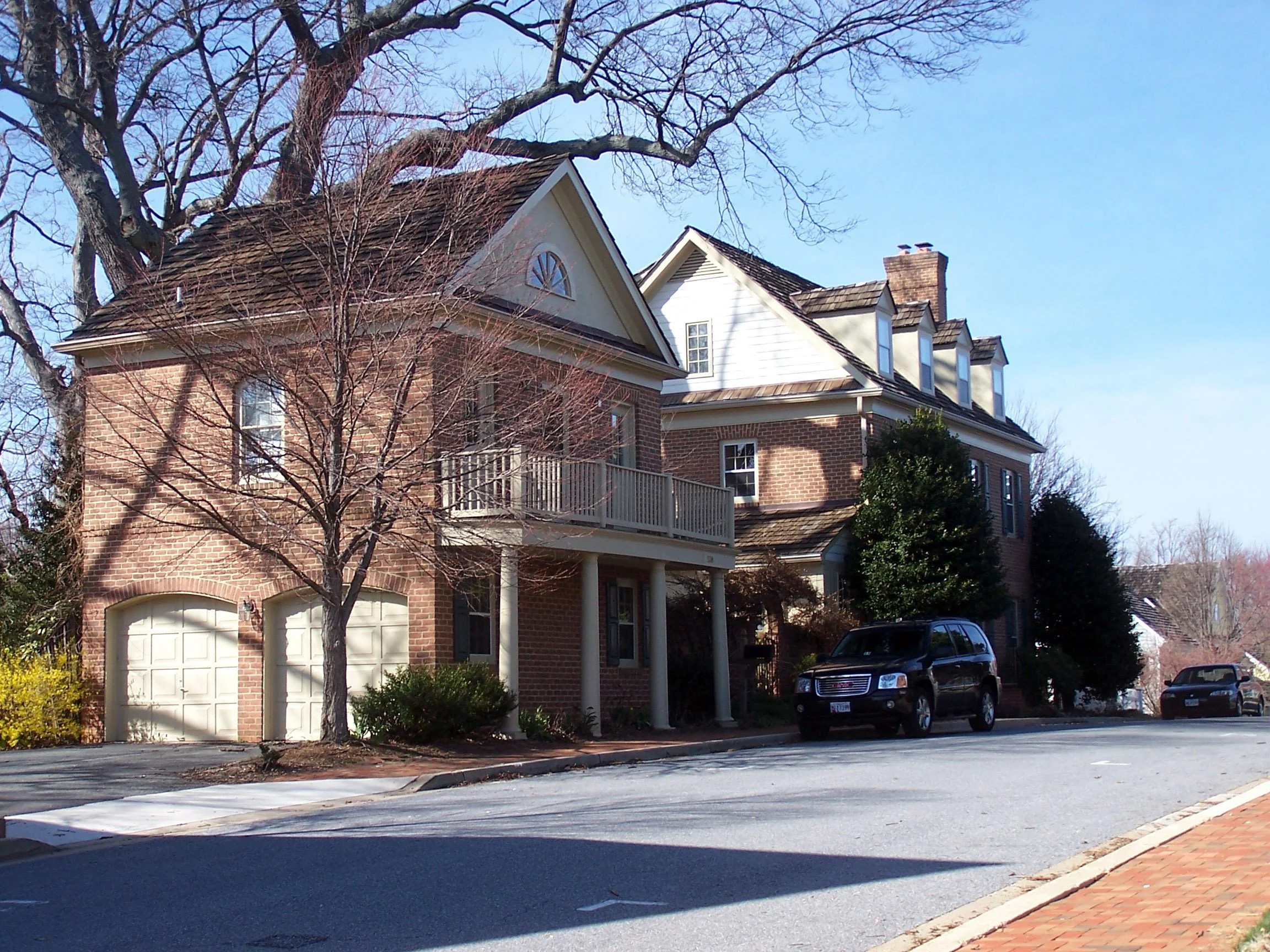
image credits: paramount; flickr/beyonddc
To Close for Comfort: Embrace Gentle Density
A duplex that houses parents upstairs and adult children downstairs was the premise of Too Close for Comfort. What was once played for laughs now represents a missing housing type across much of the country.Duplexes, triplexes, and fourplexes, the backbone of historic neighborhoods, are central to the Missing Middle framework. These buildings fit seamlessly into residential contexts, support walkable neighborhoods, and provide attainable ownership and rental options.Single-family-only zoning has made many beloved neighborhood forms illegal to replicate. Permitting gentle density can help to restore them. 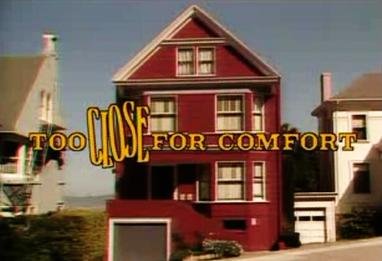
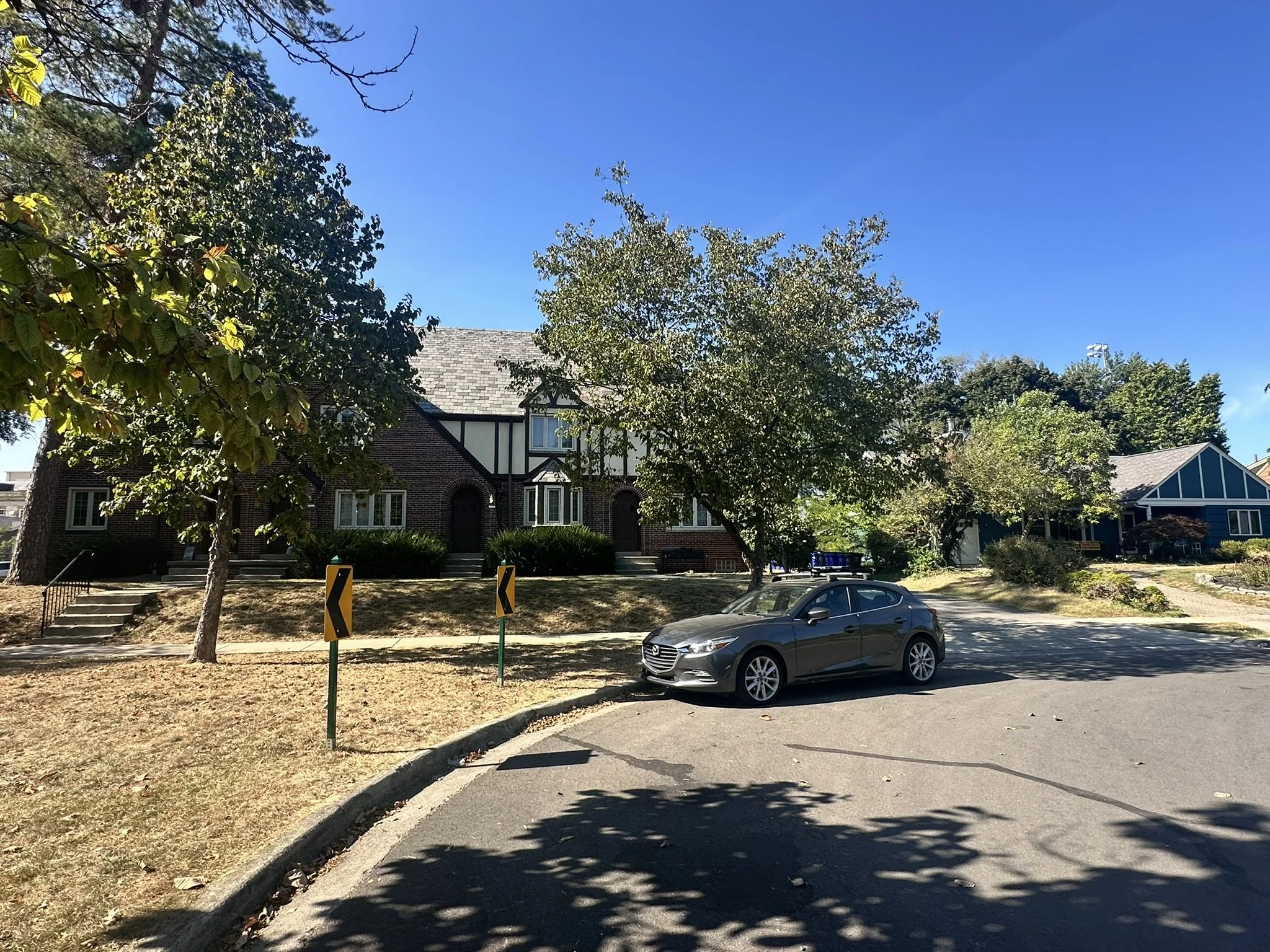
image credits: pinkadelica; abbie emison
Full House: Permit Home Occupations
In Full House, Uncle Jesse and Joey ran a business out of the Tanner home. This arrangement made it possible for them to step in and offer child care support for Danny, a single father, as a result. Today, millions of Americans work from home, yet zoning often treats home occupations as nuisances rather than contributors.New Urbanist principles emphasize mixed-use neighborhoods and reduced commuting. Allowing small-scale home-based businesses supports local entrepreneurship, cuts vehicle trips, and strengthens economic and social resilience. Most home occupations are invisible to neighbors, except for their positive impacts.Zoning should reflect how people actually live and work.
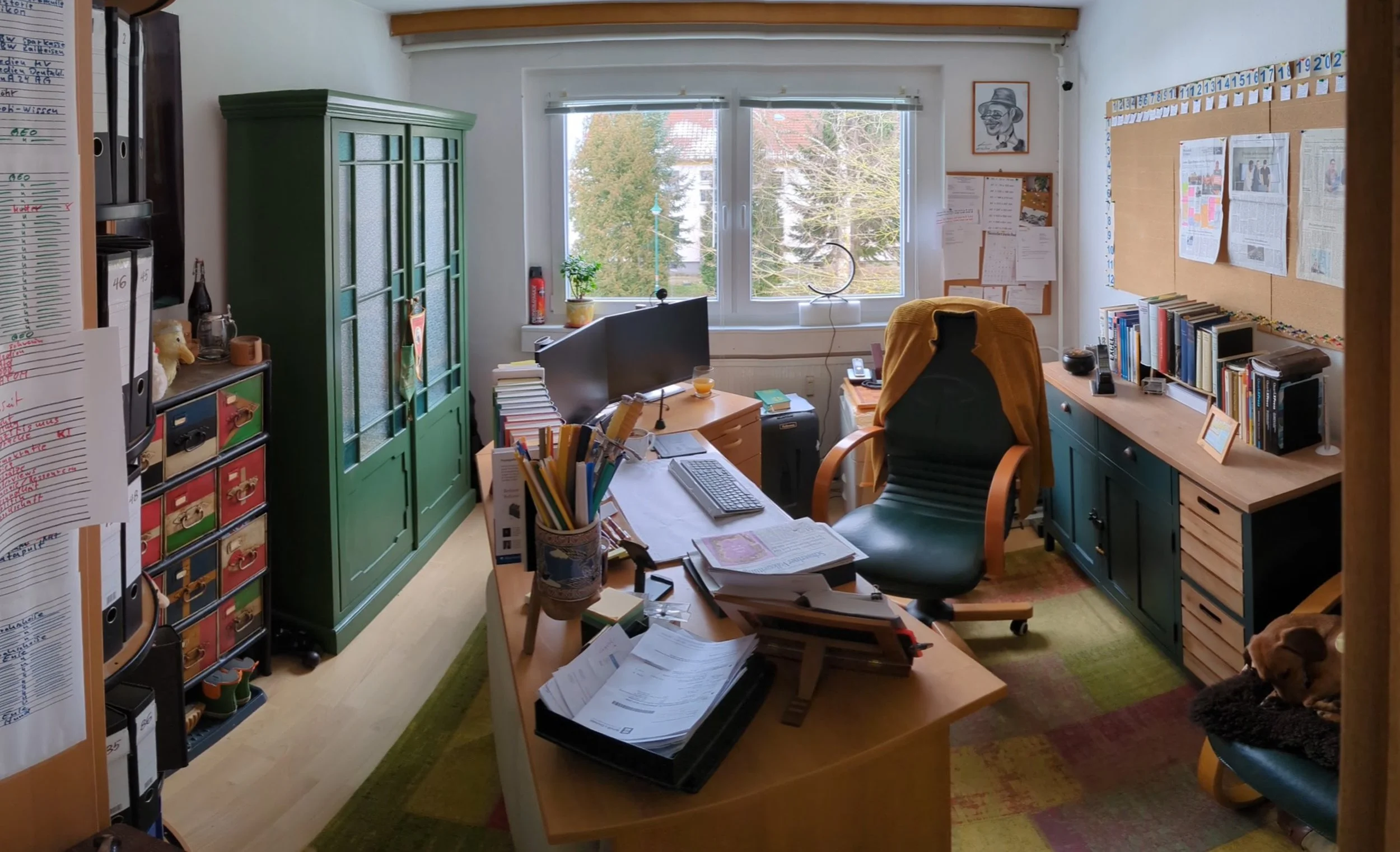
image credits: christopher stark/bob d’amico/getty images; flickr/german circle
From Reruns to Reform
Before zoning narrowed neighborhood life, sitcoms normalized shared households, small homes, mixed uses, incremental density, and communities built around proximity and relationships rather than rigid separation. The housing crisis demands that we recommit to these aspirations, not just through policy, but through storytelling that resonates.Sitcoms aren’t policy manuals, and that’s precisely why they matter. Zoning reform has spent too long trapped in academic language and processes that feel inaccessible to the very people most affected by housing policy. If we want communities to embrace housing choice, Missing Middle housing, and gentle density, we must show that these ideas are in line with the families and neighborhoods that they already understand and value.Looking to classic American television can help New Urbanists bridge the gap between professional planning language and public intuition, grounding zoning reform not just in charts and charters, but in shared cultural memory. So, cue up the reruns. Use them to start conversations, build understanding, and generate support. Remove the regulatory barriers that make ordinary, functional living arrangements illegal. Because when zoning aligns with what people already recognize as good neighborhood life, reform stops feeling radical and starts feeling inevitable.Author Bio:
Abbie Emison, AICP, NCI is a Principal Planner and Ohio Office Lead with McKenna, a multidisciplinary planning and urban design firm. Based in Columbus, she leads downtown revitalization, zoning reform, and corridor design projects across Ohio, helping communities translate design principles into actionable plans.